
You probably notice it already. Kids eat fast, chew weirdly, skip brushing when they think no one is watching, and somehow lose half their toothbrushes.
Because of that, common dental problems in children show up more often than many parents expect. And once trouble starts, it tends to stick around.
So I wanted to break down the issues I’ve seen many families deal with, plus the things that actually help. Nothing fancy. Just real steps you can use at home.
And one quick thing before you read on. I’m not a dentist, but I’ve spent years digging into child health topics and asking endless questions during appointments. I’ve also seen what works with kids in my own family. Maybe this helps you dodge a few headaches, too.
Let’s get into it.
Why Kids Face So Many Dental Problems
Kids’ teeth are still developing. They snack often. They forget to brush. They love sweet drinks. They chew things they shouldn’t. And honestly, managing all that is tiring for parents.
When you mix all of those habits, common dental problems in children pop up again and again.
Spotting them early makes a huge difference.
10 Common Dental Problems in Children and How to Prevent Them

1. Tooth Decay
Tooth decay is probably the problem parents hear about most. And it often sneaks in long before kids complain.
You’ll notice:
- Brown spots
- Sensitivity
- Small holes
- A smell you can’t quite explain
Kids who snack all day or sip sweet drinks are at higher risk.
Prevention steps you can start today:
- Keep snacks to set times instead of constant grazing.
- Stick to water between meals.
- Brush twice a day with a pea-sized amount of fluoride toothpaste.
- Do a quick check of your child’s teeth once a week. It takes ten seconds.
Sometimes I ask myself, “Why didn’t anyone teach me this when I was younger?” It would’ve saved me a few fillings.
2. Early Gum Irritation
Kids get swollen or red gums more often than adults might guess. Sometimes it’s brushing too fast. Sometimes it’s trapped food.
It looks small at first, but if ignored, it spreads.
What helps:
- Show your child how to brush gently in small circles.
- Use floss picks if regular floss feels impossible.
- Rinse their mouth after sticky snacks.
You don’t need perfect brushing. Just consistent brushing.
3. Bad Breath
Bad breath in kids isn’t random. Something causes it, even if it takes a bit of detective work.
A few common triggers:
- Food stuck between teeth
- Dry mouth from mouth breathing
- Coated tongue
- Not brushing long enough
You can fix most cases at home by:
- Teaching tongue brushing
- Offering more water
- Adding flossing to the routine
- Checking for any trapped food
Sometimes I used to think a mint would fix it, but that only hides the problem for a minute.
4. Tooth Sensitivity
Some kids complain that cold drinks hurt. Others avoid hot soup. Sensitivity is more common than adults assume.
It often comes from:
- Enamel wearing down
- Tiny cracks
- Early decay
Try this:
- Switch to a toothpaste made for sensitivity
- Make sure they aren’t brushing too hard
- Cut back on sour candy for a while
If the pain keeps coming back, you can ask a dentist for sealants that protect the tooth surface.
5. Teeth Grinding
Grinding at night sounds scary when you first hear it. Kids can grind loudly or silently. Many outgrow it, but it still wears down the teeth.
Look for:
- Flat edges
- Morning jaw soreness
- Chipped spots
Things that help:
- Keep bedtime routines calm
- Reduce stress triggers
- Ask the dentist if a soft guard makes sense
You can’t stop grinding completely, but you can reduce the damage.
6. Crowded Teeth
Crowding shows up when the jaw doesn’t have enough room for new teeth.
You might notice:
- Teeth overlapping
- Teeth turning
- Gaps closing suddenly
Prevention isn’t perfect here because jaw shape is mostly genetic. Still, early checks really help.
Try to:
- Book a dental visit by age 1 or after the first tooth
- Keep regular checkups every six months
- Ask if early guidance treatments might help
Catching crowding early saves time later. I learned that after waiting too long with one of my nephews. The process took more years than it needed to.
7. Thumb Sucking or Prolonged Pacifier Use
Thumb sucking isn’t a problem when kids are tiny. But if it sticks around too long, it changes tooth position.
You might see:
- Forward teeth
- Speech changes
- Open bite
Simple ways to reduce the habit:
- Offer small rewards for “thumb-free time”
- Keep hands busy with toys
- Praise progress often
Kids respond better to encouragement than pressure. At least that’s been true in every case I’ve seen.
8. Dental Trauma
Kids fall. Kids bump into things. Kids test the limits of gravity.
Chipped teeth, cracked teeth, or knocked-out teeth can happen in seconds.
Prevention helps:
- Use mouthguards for sports
- Teach safe play habits
- Keep harder toys away from toddlers
If an injury happens, staying calm helps you think clearly. I’ve had to do that once, and it wasn’t fun, but we managed.
9. Stained Teeth
Stains don’t always mean decay. They can come from foods, drinks, or plaque.
Look for:
- Yellow patches
- Dark lines near the gum
- Spots that don’t brush off easily
Prevention:
- Brush twice daily
- Keep sugary drinks low
- Do a quick wipe of baby teeth after feeding
Kids don’t care much about stains, but parents usually do. And early brushing habits help long-term anyway.
10. Delayed Tooth Eruption
Some kids take longer to get teeth. Others get them early. Both can be normal, but delays sometimes confuse parents.
Signs to look for:
- No teeth by 12 to 14 months
- Big gaps that don’t close
- Baby teeth refusing to loosen
Steps that help:
- Keep a chart of eruption timing
- Ask your dentist during checkups
- Watch for chewing difficulties
This one doesn’t always need fixing. But keeping an eye on it helps you catch issues early.
How to Build Strong Dental Habits at Home
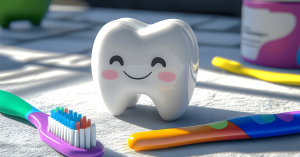
Parents don’t need perfect routines. Just simple ones that stick.
Try these:
- Brush together so your child copies you.
- Set a two-minute timer.
- Replace toothbrushes every three months.
- Keep toothpaste visible and easy to reach.
- Use a small mirror so your child can watch what they’re doing.
These tiny steps prevent so many common dental problems in children without much effort.
Sometimes I ask myself why I didn’t start these earlier. Everything feels easier once the routine becomes normal.
How Dentists Help With Prevention
A good dentist does more than check for cavities. They track growth, spot small problems, and give guidance that’s specific to your child.
During regular visits, they often:
- Clean plaque
- Apply fluoride
- Check jaw alignment
- Look for hidden decay
- Give brushing tips that actually work
Parents usually feel more confident after hearing what to expect next. I know I always do. Those ten-minute conversations save me months of worry.
FAQs
What are the most common dental problems in children?
Tooth decay, gum irritation, sensitivity, grinding, crowding, and staining show up most often. These are the common dental problems in children that dentists see every week.
How do I know if my child has tooth decay?
Look for brown spots, tiny holes, or sensitivity during eating. If something feels off, book a dental visit early.
How can I prevent common dental problems in children at home?
Consistent brushing, flossing, limited sweet drinks, and regular checkups make the biggest difference. Small daily habits work better than rare big efforts.
How many times should my child brush each day?
Twice a day works well for most kids. Make each session two minutes long.
Do kids really need dental visits so early?
Yes, early visits help catch problems while they’re small. Many dentists suggest a first visit around age 1 or when the first tooth appears.
At what age do kids usually stop grinding their teeth?
Many stop by age 6 to 8, but it varies. If grinding causes damage, a dentist can guide you.
Should I worry if my child’s teeth come in late?
Not always. Some kids develop more slowly. Still, bring it up during checkups so your dentist can follow the pattern. Final Thoughts
Helping your child avoid the most common dental problems in children doesn’t need to feel overwhelming. A few steady habits, regular checkups, and some patience go a long way.
Kids learn from what you do, not just what you say. If you treat dental care like a normal part of the day, they usually follow.
And if something feels off, don’t wait. Early action always makes things easier.

