
Most dental issues don’t show up with drama.
They whisper.
A twinge. A little blood. A spot you ignore.
That’s how many dental problems that start small sneak into your life and stick around long enough to cause real trouble.
I’ve been there. Skipped a checkup. Brushed harder instead of smarter. Told myself it would pass.
Sometimes it does.
Often, it doesn’t.
Let’s talk about the five dental problems that look harmless early on, then grow into something you wish you’d handled sooner.
5 Dental Problems That Start Small but Become Serious Later!
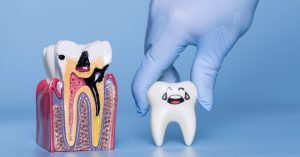
1. Tooth Decay That Starts as a Tiny Spot
A small white or brown spot on your tooth feels like nothing.
No pain. No urgency.
You keep chewing. Life goes on.
Then one day, cold water hits that tooth, and you flinch.
How it quietly gets worse
- Plaque sits on enamel longer than it should
- Acids weaken the tooth surface
- A small cavity form
- Decay moves deeper toward the nerve
Once decay reaches the inner layers, fillings turn into root canals. Or worse.
I ignored a back molar for months because it didn’t hurt. By the time it did, the dentist showed me the X-ray. The damage shocked me. I needed a crown. That tiny spot cost time, money, and stress.
What you can do early
- Look for chalky white spots near the gum line
- Pay attention to mild sensitivity
- Don’t skip cleanings, even when nothing hurts
- Ask your dentist to check suspicious areas
Catching decay early saves your tooth. It really does.
2. Gum Inflammation That Seems Normal
Bleeding gums feel common.
A lot of people shrug it off.
You brush. You rinse. The blood keeps showing up.
This is one of those dental problems that start small and fool you into thinking it’s normal.
Why do gums bleed in the first place?
- Plaque builds up along the gum line
- Gums react with swelling and redness
- Brushing triggers bleeding
That early stage is gingivitis.
It’s reversible.
Leave it alone, and it shifts into gum disease.
When it turns serious
- Gums pull away from teeth
- Pockets form under the gums
- Bone starts breaking down
- Teeth loosen over time
Gum disease is linked to heart problems and blood sugar issues, too. That part surprised me when my dentist explained it.
Simple steps that help
- Brush gently along the gum line
- Floss daily, even when it bleeds
- Use a soft toothbrush
- Get professional cleanings
Bleeding isn’t normal. It’s a signal.
3. Small Tooth Sensitivity That Grows into Pain
A quick sting from ice cream doesn’t feel like a crisis.
You switch sides. Problem solved.
Until it isn’t.
Sensitivity ranks high among dental problems that start small and turn stubborn.
What causes early sensitivity
- Enamel wears down
- Gums recede and expose roots
- Small cracks form in teeth
At first, the pain fades fast.
Later, it lingers.
I remember sipping coffee and waiting for the ache to stop. It didn’t. That tooth had a crack I never felt until it spread.
Signs it’s no longer minor
- Pain lasts longer than a few seconds
- Sensitivity turns into a dull ache
- Pressure causes discomfort
- Heat triggers pain
How to act before it escalates
- Switch to a toothpaste for sensitivity
- Avoid grinding or clenching
- Don’t brush too hard
- Get cracks checked early
Sensitivity is your tooth asking for help. Not yelling yet. Just asking.
4. Bad Breath That Won’t Go Away
Morning breath is normal.
Breath that sticks around all day isn’t.
This one feels awkward to talk about. People rarely do.
Yet chronic bad breath often points to dental problems that start small and hide in plain sight.
Common hidden causes
- Food trapped between teeth
- Gum infection
- Dry mouth
- Decay under old fillings
Mints won’t fix it. Mouthwash won’t either.
A friend once told me their dentist found decay under a filling during a visit for bad breath. They had no pain at all.
Clues it’s dental-related
- Breath smells worse later in the day
- Brushing doesn’t solve it
- Gums feel tender
- Metallic taste shows up
What helps long-term
- Floss every day, no skipping
- Clean your tongue
- Drink water often
- Get checked for gum issues
Bad breath carries information. You just need to listen.
5. Teeth Grinding That Feels Harmless
You might not even know you grind your teeth.
Someone else tells you. Or your jaw feels tired.
Teeth grinding sits quietly on the list of dental problems that start small.
Why does grinding sneak up on you?
- Stress builds up
- Jaw muscles tighten at night
- Teeth rub together for hours
At first, the damage stays minor.
Over time, enamel wears down.
What happens if it continues
- Teeth flatten or chip
- Jaw pain becomes frequent
- Headaches show up
- Teeth crack without warning
I didn’t realize I clenched my jaw until my dentist noticed wear patterns. A simple night guard saved me from bigger issues later.
Early actions matter
- Notice jaw soreness in the morning
- Watch for headaches near temples
- Ask your dentist about wear signs
- Consider a night guard
Grinding rarely stops on its own.
Why These Dental Problems Escalate So Fast
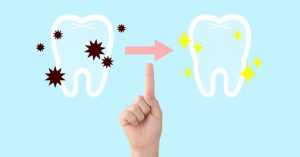
The mouth hides damage well.
Teeth don’t swell like ankles. Gums mask pain.
That’s why dental problems that start small often grow quietly.
You don’t feel the damage.
Until you really feel it.
Dentists train for years to spot changes you can’t see. Regular visits aren’t about lectures. They’re about catching trouble early.
How to Lower Your Risk Starting Today
You don’t need perfection.
You need consistency.
Here’s what helps in real life.
- Brush twice daily with focus, not force
- Floss once a day, even when tired
- Drink water after meals
- Don’t ignore small changes
- Book checkups before pain shows up
Small habits protect you from big procedures.
FAQs
What are the most common dental problems that start small?
Early cavities, gum inflammation, mild sensitivity, grinding, and lingering bad breath often begin quietly. They tend to worsen when ignored.
Can dental problems that start small heal on their own?
Some early issues, like gingivitis, can be reversed with proper care. Tooth decay and cracks won’t heal without treatment.
How often should you see a dentist if nothing hurts?
Most people benefit from visits every six months. Pain-free mouths still develop problems under the surface.
Why do dental problems get serious so fast?
Teeth lack warning signals. Damage spreads before pain appears. That delay allows problems to grow.
Is bleeding during brushing ever normal?
No. Bleeding signals gum inflammation. Early care prevents gum disease later.
You don’t need to fear caring for your teeth.
You need awareness.
Those tiny signs you notice today matter more than you think.
You will thank yourself later for paying attention now.

